Licensed & Insured

Siding Contractor in Chamblee, GA for Rot-Free, Storm-Ready Homes

Chamblee is hard on siding. About 50 inches of rain a year, humid summers with dew points in the 70s, heavy oak and pine shade, and red clay splashing against the bottom courses all break down exterior cladding. Most of the ranches and split-levels here went up between 1950 and 1975, so a lot of them are still wearing brittle aluminum, faded early vinyl or swollen hardboard. Chamblee Siding & Exterior Specialists replaces that tired cladding with fiber cement, James Hardie, engineered wood and board and batten. We also repair storm damage and rotted trim before it gets into your sheathing.

We work on houses from Huntley Hills and Sexton Woods to the new townhomes near Chamblee Town Center, and we know a 1962 brick-and-siding ranch needs a different plan than a 2018 infill farmhouse. Our crews also cover Doraville, Brookhaven, Tucker, Dunwoody and North Druid Hills. You can bundle soffit, fascia, gutter and exterior painting work into one project. Every homeowner gets a clear estimate, real product samples to hold against the brick, and a tidy job site from tear-off to final cleanup.

  • Bonded
  • Fully insured
  • Financing available

Homeowners and landlords from Huntley Hills to Decatur hire us for clear estimates, real product samples and job sites that stay organized from tear-off to final sweep.

Request Your Free Estimate

No obligation. Fast, honest quotes.

Your information is never shared.

Online Estimates
Onsite Service
Licensed & Insured
Customer Rated
Local Expertise

Why Chamblee Homes Need a Siding Contractor Who Knows North DeKalb

Siding that holds up for 30 years in a dry climate can fail in 15 here. Chamblee combines Piedmont humidity, heavy tree canopy, shrinking and swelling red clay, and an aging housing stock. Here's what that means for the walls of your house.

Climate: Humidity, Hail and Freeze-Thaw

Chamblee sits around 1,000 feet up in the humid subtropical Piedmont and gets about 50 inches of rain a year. Summer thunderstorms drive that rain sideways into lap joints and window trim. From June through September, highs of 88–92°F and dew points in the 70s keep wood siding, trim and fascia damp for weeks, and north-facing walls under mature oaks rarely dry out at all. That's where mildew, algae and rot start. Strong UV chalks and fades dark vinyl and painted wood. Sunlight reflected off low-E windows can warp vinyl panels. In winter, lows in the 30s bring repeated freeze-thaw cycles and the occasional ice storm, which crack brittle old vinyl and open failed caulk joints. Spring hail and severe wind across metro Atlanta also cause a steady stream of claims for cracked vinyl, dented aluminum and chipped fiber cement.

Built Environment: Mid-Century Ranches Meet Modern Infill

Most single-family homes in Chamblee are post-WWII ranches, split-levels and split-foyers built between about 1950 and 1975 in neighborhoods like Huntley Hills, Sexton Woods and Keswick Park. They usually pair partial brick veneer with wood lap, board and batten, or T1-11 panels on the gables and rear walls. Many got aluminum siding in the '60s and '70s or early vinyl in the '80s and '90s. Plenty of others have 1970s–90s hardboard, including recalled Masonite and LP-type products, which swells and rots at the bottom courses. Many of these houses were built without house wrap or flashing, so rotted sheathing behind the siding is common. Since the 2000s, infill teardowns and modern farmhouses clad in fiber cement have filled in around these older homes, and owners next door are upgrading to match.

Regulatory: Many Cities, Two Counties, Different Rules

Georgia builds to state minimum codes based on the IRC/IBC with state amendments, but each city enforces them in its own way. Chamblee, Brookhaven, Dunwoody, Sandy Springs, Doraville, Tucker, Peachtree Corners, Decatur and Stone Mountain each have their own permit offices. North Druid Hills, Scottdale and Belvedere Park go through DeKalb County, while Norcross, Lilburn and Berkeley Lake are in Gwinnett. A simple re-side may not need a permit, but sheathing or structural repair usually does. In the Druid Hills, Decatur and Avondale Estates historic districts, you'll need a Certificate of Appropriateness and often wood or a matching profile. Pre-1978 homes fall under EPA lead-safe (RRP) rules. HOAs in Dunwoody, Peachtree Corners and Berkeley Lake often limit colors and materials.

Market: Rising Values and Resale Pressure

Chamblee's population is about 30,000, and it has grown fast since the 2010s thanks to Town Center redevelopment and MARTA access. When a 1960s ranch with sagging hardboard sits next to a new fiber-cement farmhouse, it can hurt the older home's appraisal. That's why many owners move straight to James Hardie-style siding to protect resale value. Toward Brookhaven, Dunwoody and Sandy Springs, owners expect premium materials and careful detailing. In Tucker, Lilburn and Stone Mountain, and for the many rentals and flips along Buford Highway, the focus is on durable, cost-effective re-siding. Long-time owners who are aging in place mostly want cladding they won't have to paint every five years.

Know The Signs

Common Siding Problems We See Around Chamblee

Most siding failures in north DeKalb come from the same few causes: moisture that can't escape, materials past their service life, and storms. Here are the problems we find most often, why they happen here, and how to spot them before a small repair turns into a sheathing replacement.

Hidden Sheathing and Sill Plate Rot

Serious

This is decay in the plywood or board sheathing and the bottom framing (sill plate) behind your siding. It usually starts where water gets past failed flashing or caulk and can't dry out. From the outside, the siding may look fine while the structure behind it softens.

Why it happens here

Many 1950s–70s Chamblee homes were built without house wrap or proper flashing at windows and doors. Add 50 inches of yearly rain, wind-driven summer storms and shade from mature oaks, and walls stay damp for long stretches. Red clay splash-back and low siding-to-grade clearance hold moisture right against the sill plate. Clogged gutters overflow down the wall. On older ranches, we often don't find the full extent of the damage until the old siding comes off.

Signs to watch for
  • Soft or spongy spots when you press on lower siding
  • Paint bubbling or peeling around window sills
  • Musty smell in closets on exterior walls
  • Siding pulling away or bowing near the foundation
  • Red clay staining on the first two courses
  • Termite mud tubes near the slab or crawlspace
Local patterns

We see it most on rear and north walls in Huntley Hills and Sexton Woods, under window sills on split-levels in Tucker and Lilburn, and on homes on sloped lots where downhill walls sit close to the soil.

Our fix

Remove the siding in the affected area, cut out and replace the rotted sheathing and framing, install house wrap and flashing, and re-side with proper ground clearance.

Swelling and Delaminating Hardboard Siding

Moderate

Hardboard, including recalled Masonite and LP-type composites, is a pressed wood-fiber product. Once water gets past the paint, especially at nail holes and bottom edges, it swells, flakes apart and loses its strength. Paint can't fix it once that starts.

Why it happens here

Builders used a lot of hardboard across north DeKalb and Gwinnett from the 1970s through the 1990s. The material holds up poorly in long humid stretches, and the drip edges on our wet, shaded walls never fully dry. Each freeze-thaw cycle opens the swollen edges a little more. Many of these homes have been painted over and over to hide the damage, which traps more moisture.

Signs to watch for
  • Bottom edges of boards puffy or 'mushroomed'
  • Flaking layers or exposed fibers
  • Popped nail heads with rust rings
  • Waviness along long walls
  • Paint failing within 2–3 years of a repaint
Local patterns

It's common on 1970s–80s colonials and contemporaries in Dunwoody's Georgetown, Peachtree Corners and Sandy Springs, and on later additions and rear walls of Chamblee and Doraville ranches.

Our fix

Replace the hardboard wall by wall or across the whole house, usually with fiber cement or engineered wood, and repair any sheathing damage we find underneath.

Brittle, Faded or Loose Early Vinyl

Moderate

Vinyl from the 1980s and 1990s loses its flexibility as UV breaks down the PVC. It chalks, fades unevenly and cracks under impact. Panels also come unlocked in high wind.

Why it happens here

Chamblee's strong summer UV slowly degrades older vinyl, and winter lows in the 30s make it brittle enough that a hailstone, a mower-thrown rock or a falling limb can shatter it. Thunderstorm gusts get under loose panels and tear them off. Darker colors can warp when sunlight reflects onto them from a neighbor's low-E windows, which happens a lot with tight infill setbacks.

Signs to watch for
  • Chalky residue on your hand
  • Cracks or holes, especially on lower courses
  • Panels rattling or unlocked after storms
  • Wavy or melted-looking sections
  • Sun-facing walls a different color than shaded ones
Local patterns

We see it constantly on re-sided ranches in Keswick Park, Tucker, Stone Mountain and Clarkston, and on Doraville homes next to new two-story infill that reflects sunlight onto them.

Our fix

Replace the panels if a matching profile and color is still available. For widespread brittleness or discontinued colors, a full re-side is usually the better value.

Hail and Wind Storm Damage

Emergency

This is impact and wind-uplift damage from severe thunderstorms: cracked or missing vinyl, dented aluminum, chipped fiber cement and torn trim. Even when it looks cosmetic, it can let water into the wall.

Why it happens here

Metro Atlanta gets spring hail and summer straight-line winds every year, and north DeKalb's mature oaks and pines drop limbs onto houses during these storms. Older aluminum dents easily, and aged vinyl cracks instead of flexing. Insurance claims are hard to navigate because adjusters want documentation, and discontinued siding colors complicate partial-repair settlements.

Signs to watch for
  • Round dents or chips on the windward side
  • Cracked or missing panels after a storm
  • Spatter marks on painted trim
  • Dented gutters and downspouts
  • Displaced J-channel around windows
Local patterns

It tends to come in clusters after spring storm lines. Neighborhoods with big tree canopy like Murphey Candler, Ashford Park and Smoke Rise see the most limb damage.

Our fix

Cover openings right away. Then we document the damage with photos and measurements for your claim, match or replace the siding, and repair the wrap and flashing underneath.

Rotted Trim, Soffit and Fascia

Minor

This is decay in the wood boards around the roofline, windows and corners. It usually starts where paint has failed or where gutters overflow. Once it begins, it can let in water, squirrels and carpenter bees.

Why it happens here

Gutters under oaks and pines fill fast, and overflow soaks the fascia and soffit for most of the year. Most original trim on 1950s–70s homes is untreated pine. High humidity keeps it damp, and carpenter bees and woodpeckers go after the softened wood. Subterranean termites, including Formosan pressure in the region, attack trim near the ground.

Signs to watch for
  • Peeling paint on fascia boards
  • Soft wood at corner boards or window casings
  • Sagging or stained soffit panels
  • Carpenter bee holes or woodpecker damage
  • Gutters pulling away from the fascia
Local patterns

It shows up most under heavy canopy along the Clairmont Road corridor, on Drew Valley ranches, and on north-facing eaves in Northlake-area split-levels.

Our fix

Replace rotted trim with PVC, fiber cement or primed wood. Install vented aluminum or fiber cement soffits. We can rehang or upgrade the gutters in the same visit.

Asbestos-Cement Siding on Mid-Century Homes

Serious

Some homes built before 1980 have cement shingle siding that contains asbestos. It's stable while intact, but cracking, drilling or careless removal can release fibers, so it has to be handled correctly.

Why it happens here

Asbestos-cement shingles were a common cladding choice during the post-war building boom that produced much of Chamblee, Doraville and Scottdale. Decades of freeze-thaw cycles and storm impacts have cracked and chipped many of them. Owners who want to re-side often don't know what they have. Since these homes are also pre-1978, lead paint on the trim is a second concern.

Signs to watch for
  • Rigid, flat shingles with a dimpled or wavy texture
  • Uniform 12×24-inch shingle size
  • Corners chipped or broken
  • Nailed through the face near the bottom edge
  • Original to a 1940s–60s home
Local patterns

We find it on early post-war cottages near Old Town Norcross and Scottdale, and on modest original homes scattered through Chamblee and Belvedere Park.

Our fix

Have the material tested first. Then plan a compliant removal and replace it with fiber cement or vinyl, with lead-safe practices for any painted trim.

Historic Wood Clapboard and Shingle Deterioration

Minor

This is weathering, rot and paint failure on original old-growth wood siding on early-20th-century homes. Historic district rules usually require repair with matching wood instead of replacement with modern materials.

Why it happens here

Bungalows, Craftsman homes and Tudors in Decatur, Druid Hills and Avondale Estates have siding that's 80 to 100 years old. The old-growth wood is durable, but a century of humid summers, failing paint and canopy shade wears down the vulnerable spots. Preservation boards usually want repair in kind, which means matching exposure, profile and species.

Signs to watch for
  • Cupped or split clapboards
  • Paint failing down to bare wood
  • Rot at the bottoms of corner boards
  • Missing or broken shingles on gables
  • Gaps at window casings
Local patterns

It's most common in the Druid Hills Historic District, Oakhurst in Decatur, and Avondale Estates' Tudor-style blocks, where a Certificate of Appropriateness is often required.

Our fix

Selectively replace damaged boards with matching wood profiles, use epoxy consolidation where it makes sense, and prime and paint. We support you through the preservation review.

What We Do

Siding Installation, Replacement and Repair Services

Every material has a place, and the right choice depends on your home's age and style, your neighborhood's rules and your budget. Below is how we use each of our services on Chamblee-area homes, so you can see which one fits before we meet in person.

Siding Installation

We install complete siding systems on new builds, additions and fully stripped walls, including house wrap, flashing, trim and sealants.

Our approach

We check the sheathing for flatness, install weather-resistive barrier with taped seams, flash windows and doors, and keep 6–8 inches of clearance above grade.

In Chamblee, GA

Proper ground clearance keeps red clay splash and termites away from the siding, which matters a lot on sloped Chamblee lots.

Best for

Additions, infill builds and full re-sides that need correct installation from the sheathing out.

Vinyl Siding Installation

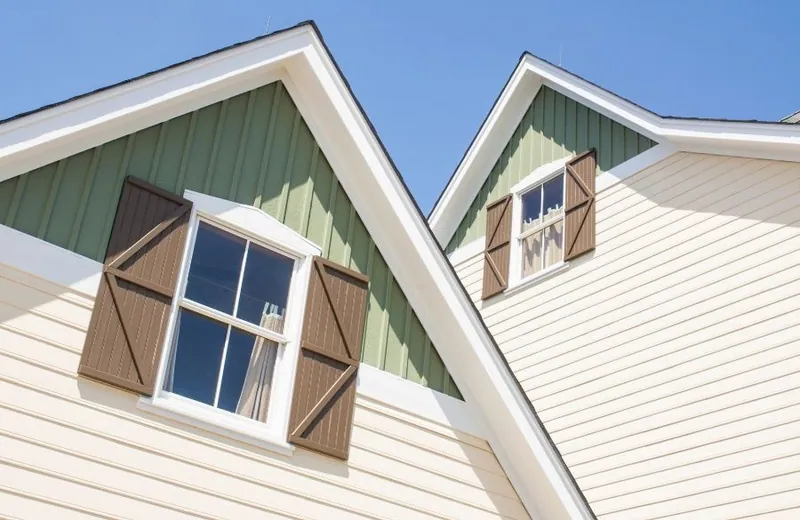
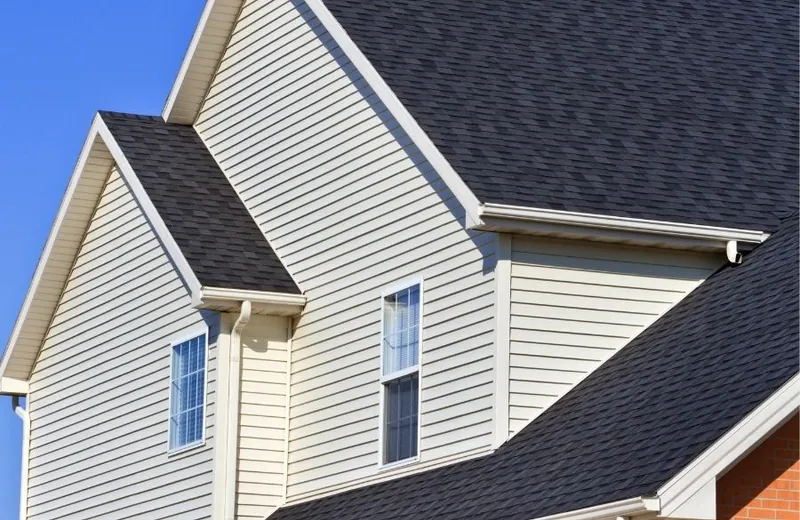
We install modern insulated and standard vinyl in lap, Dutch lap and shake profiles, with matching trim and accessories.

Our approach

We nail loosely to allow expansion, use heavier-gauge panels, and recommend lighter colors on walls that get reflected low-E glare.

In Chamblee, GA

It's a budget-friendly upgrade for Tucker, Stone Mountain and Clarkston ranches, and for investor rentals along Buford Highway.

Best for

Value-focused owners and landlords who want low maintenance at a modest cost.

Specialty

Fiber Cement Siding Installation

We install fiber cement lap, panel and shingle siding. It resists rot, termites, fire and the humidity that ruins wood and hardboard.

Our approach

We cut with dust control, gap and flash the butt joints, keep proper clearance at roof and grade, and finish with factory or field paint.

In Chamblee, GA

It's the go-to material for replacing failed hardboard across Chamblee and Dunwoody and for matching infill farmhouses in Brookhaven.

Best for

Homeowners who want long-term durability and stronger resale value.

Specialty

James Hardie Siding Installation

We install James Hardie lap, panel and trim products according to the manufacturer's installation requirements so you keep your product warranty coverage.

Our approach

We use the correct nailing, joint flashing and clearances, with ColorPlus factory finish or a primed product for custom paint.

In Chamblee, GA

It's what buyers expect near Chamblee Town Center, Ashford Park and Sandy Springs, where nearby new construction already uses Hardie.

Best for

Resale-minded owners upgrading a mid-century ranch or 1980s colonial.

Board and Batten Siding Installation

We install vertical panels with battens over the seams in fiber cement, engineered wood or real wood.

Our approach

We lay out batten spacing to line up with windows and corners, and we add horizontal furring or blocking where the sheathing needs it.

In Chamblee, GA

It updates the gables of Huntley Hills ranches and matches the modern-farmhouse infill going up in Chamblee and Doraville.

Best for

Owners who want a modern farmhouse look or an accent wall.

Board and Batten Exterior Installation

We design and install whole-house board and batten exteriors with coordinated trim, soffit and paint.

Our approach

We plan proportions around the rooflines and mix in lap siding on lower stories when that suits the design.

In Chamblee, GA

It's a popular full makeover for split-levels near Keswick Park and Drew Valley.

Best for

Complete exterior transformations with a clean, vertical look.

Vertical Siding Installation

We install vertical-profile siding, including panels, reverse board and batten, and metal.

Our approach

We add horizontal nailing support, Z-flashing at the transitions, and drainage details to keep water from collecting.

In Chamblee, GA

It suits contemporary infill homes and mixed-use exteriors along the Peachtree Blvd corridor.

Best for

Modern and contemporary designs.

Wood Siding Installation

We install new wood clapboard and lap siding and repair it in kind on older homes.

Our approach

We back-prime every board, use stainless or hot-dipped fasteners, and install over a drainage gap.

In Chamblee, GA

It's essential in the Druid Hills, Decatur and Avondale Estates historic districts, where a Certificate of Appropriateness often requires wood.

Best for

Historic homes and owners who want authentic wood character.

Cedar Siding Installation

We install cedar bevel, lap and tongue-and-groove siding with a stain or paint finish.

Our approach

We back-prime, keep the bottom edge off the ground, and apply a stain that holds up to UV.

In Chamblee, GA

It's a common replacement-in-kind for 1970s–80s contemporaries in Dunwoody and Sandy Springs.

Best for

Owners committed to natural wood who are ready for the upkeep.

Cedar Shake Siding Installation

We install real cedar shakes and shingles on gables, dormers and full walls.

Our approach

We keep exposures consistent, stagger the joints, and use stainless fasteners to prevent staining.

In Chamblee, GA

We use it on Craftsman gables in Oakhurst and Tudor accents in Avondale Estates.

Best for

Craftsman, cottage and coastal-style accents.

Hardie Plank Siding Installation

We install HardiePlank lap siding in smooth or cedarmill texture and in several exposures.

Our approach

We place joints over studs with flashing and keep 1/8-inch gaps at the trim for caulk.

In Chamblee, GA

It's the direct, durable replacement for hardboard lap on Chamblee and Peachtree Corners homes.

Best for

Classic lap looks with fiber cement durability.

Hardie Board Installation

We install HardiePanel, HardieTrim and HardieSoffit to complete a fiber cement exterior.

Our approach

We use the manufacturer's panel joint details, trim reveals and vented soffit layouts.

In Chamblee, GA

It replaces rotted T1-11 on the gables and rear walls of Chamblee ranches.

Best for

Replacing T1-11 and trimming out Hardie exteriors.

Engineered Wood Siding Installation

We install treated engineered wood lap and panel siding, such as LP SmartSide-type products.

Our approach

We seal all cut edges, keep proper clearance, and paint promptly.

In Chamblee, GA

It's lighter and easier to handle on steep, tree-shaded lots in Tucker and Smoke Rise.

Best for

A wood look at a mid-range price.

Metal Siding Installation

We install steel siding and standing-seam panels for accents and full walls.

Our approach

We use concealed fasteners, compatible flashing metals, and furring that leaves a drainage gap.

In Chamblee, GA

It works well on modern infill, accessory structures and commercial fronts in Doraville.

Best for

Modern designs and high-impact areas.

Aluminum Siding Installation

We repair and replace aluminum siding sections and remove failing aluminum before a re-side.

Our approach

We source the closest available profiles and colors, or repaint for a uniform look.

In Chamblee, GA

Many Chamblee and Doraville ranches still have 1960s–70s aluminum that's dented from hail.

Best for

Owners keeping existing aluminum or getting ready to re-side.

Stone Veneer Siding Installation

We install manufactured stone veneer on foundations, wainscots, columns and accent walls.

Our approach

We install a drainage mat, weep screed at the base, lath and scratch coat, and leave proper clearance above grade.

In Chamblee, GA

A stone wainscot protects lower walls from red clay splash on Dunwoody and Berkeley Lake homes.

Best for

Adding curb appeal and protecting lower walls.

Siding Replacement Services

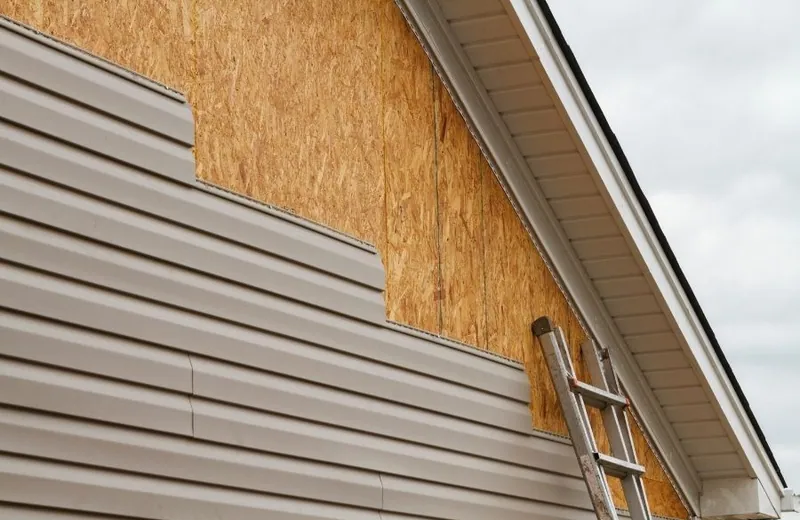
We do full tear-off and re-siding, including sheathing repair, wrap, flashing and trim.

Our approach

We inspect the sheathing as we go and price any rot repair at the unit rates already in your estimate.

In Chamblee, GA

It's the right fix for failing hardboard, brittle vinyl and old aluminum on 1950s–80s homes.

Best for

Homes with widespread siding failure or owners planning to sell.

Siding Repair Services

We replace damaged boards and panels, reseal joints and fix leaks.

Our approach

We match the profile and color, find where water is getting in, and repair the flashing behind the siding.

In Chamblee, GA

After a storm we patch cracked vinyl and dented aluminum across Chamblee and Brookhaven.

Best for

Localized storm, impact or rot damage.

Soffit and Fascia Installation

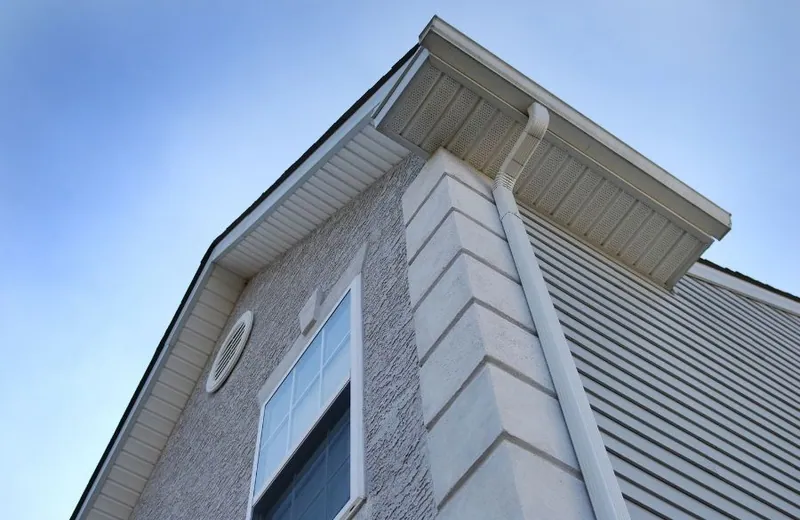
We replace rotted roofline boards and install vented soffits and wrapped or fiber cement fascia.

Our approach

We cut out the rot, add ventilation, and seal out squirrels and carpenter bees.

In Chamblee, GA

Gutter overflow under the oak canopy rots fascia throughout Murphey Candler and Northlake.

Best for

Roofline rot and attic ventilation problems.

Exterior Trim Installation

We install window, door, corner and frieze trim in PVC, fiber cement or wood.

Our approach

We flash the head trim, back-seal it, and caulk with high-performance sealants.

In Chamblee, GA

We use it to replace rotted sills and casings on humid north walls.

Best for

Leaky windows and dated trim.

Siding Inspection and Consultation

We do a walk-around assessment, probe for moisture and rot, and document what we find with photos.

Our approach

We check clearances, flashing and gutters, and identify the material type, including possible asbestos.

In Chamblee, GA

It's useful for pre-listing prep, buyers in Chamblee's fast market, and storm claims.

Best for

Owners who aren't sure if they need repair or replacement.

Asbestos Siding Removal and Replacement

We coordinate testing, compliant removal and new cladding for asbestos-cement siding.

Our approach

We test first, use proper handling and disposal channels, and follow lead-safe practices on trim.

In Chamblee, GA

It applies to post-war cottages in Scottdale, Norcross and older parts of Chamblee.

Best for

Pre-1980 homes with cement shingle siding.

Mobile Home Siding Replacement

We replace damaged or dated siding on manufactured homes with vinyl or metal.

Our approach

We use lightweight materials, proper underlayment, and skirting coordination.

In Chamblee, GA

It's an affordable refresh for manufactured homes within our 20-mile radius.

Best for

Manufactured home owners and park landlords.

Commercial Siding Installation

We clad storefronts, small offices, multifamily buildings and townhome communities.

Our approach

We phase work to keep businesses open and coordinate with property managers and HOAs.

In Chamblee, GA

It covers Buford Highway retail, Town Center mixed-use buildings and townhome rows.

Best for

Property managers, HOAs and business owners.

Modern Siding Installation

We create contemporary exteriors that mix panels, vertical boards, metal and lap.

Our approach

We plan material transitions, reveal trims and clean flashing lines.

In Chamblee, GA

It fits Chamblee and Brookhaven character-area rules and infill design expectations.

Best for

Modernizing a ranch or finishing a new build.

Simple & Transparent

Our Siding Project Process

Old houses come with surprises, so we plan for them up front. Here's how a typical Chamblee-area siding job moves from the first call to the final walkthrough.

Inspection and Consultation

  • Walk the full exterior and probe for soft sheathing
  • Identify the current siding type, including hardboard or possible asbestos
  • Check gutters, grade clearance and flashing
  • Photograph storm damage for insurance if needed

Pre-1978 homes get flagged for lead-safe practices, and historic or HOA properties get flagged for review.

Usually scheduled within a few days; about 1 hour on site

Clear Estimate and Material Samples

  • Itemized written estimate by wall area
  • Unit pricing for any hidden sheathing repair
  • Product samples to compare against your brick and roof
  • Optional soffit, fascia, gutter and paint add-ons

We'll show you material options that fit your neighborhood, whether that's Hardie to match nearby infill or wood for a historic district.

Within about a week of the inspection

Permits, Approvals and Scheduling

  • Confirm permit needs with your city or county
  • Support Certificate of Appropriateness or HOA submittals
  • Order materials and plan staging
  • Set a start date and walk through the plan with you

Chamblee, Brookhaven, Dunwoody, DeKalb County and Gwinnett all have different permit requirements.

1–4 weeks depending on jurisdiction

Tear-Off, Repair and Installation

  • Protect landscaping, AC units and windows
  • Remove old siding and haul it away daily
  • Repair rotted sheathing and install wrap and flashing
  • Install siding, trim, soffit and fascia

On steep lots and tight infill setbacks, we plan staging carefully, and we work around summer thunderstorms.

Typically 1–3 weeks for a single-family home

Final Walkthrough and Cleanup

  • Magnetic sweep for nails
  • Walk every elevation with you
  • Touch up and finish caulking
  • Hand over care tips and product warranty paperwork

We'll point out the gutter and grading fixes that keep red clay and runoff off your new siding.

Last day of the project
The Chamblee Siding & Exterior Specialists Difference

Why Chamblee Homeowners Choose Us

We Know Chamblee's Housing Stock

A 1958 Huntley Hills ranch with brick on the front and T1-11 on the back needs a different plan than a 2019 townhome near the MARTA station. We've learned where these houses tend to fail: rear sill plates, window bottoms, gable panels and the low courses on the downhill side. That lets us scope the job more accurately from the start. We'll also tell you when a repair makes more sense than a full re-side, and when a cheap fix will just put off a bigger bill.

Bonded and Insured on Every Job

Siding work means ladders, tear-off and power tools around your house, often on steep lots with mature trees overhead. We're bonded and insured, so you're protected if something goes wrong. Before you sign, ask for our certificates and we'll send them. It's a basic step, but plenty of storm-chasing crews that show up after a hail event can't show you either one.

Estimates That Account for Hidden Rot

The biggest worry with re-siding an older house is what's behind the old siding. Our written estimates spell out the siding, trim and labor, plus a per-sheet or per-foot price for any sheathing or framing repair we uncover. If we find rot, we'll show it to you and photograph it before fixing it. You won't get a vague change order with a number you can't check.

Material Choices That Match the House

We install fiber cement, James Hardie, engineered wood, vinyl, cedar, metal and stone veneer, so we don't have a reason to push one product on you. We'll recommend board and batten for a ranch that needs a modern update, wood for a Druid Hills Craftsman under preservation review, and durable vinyl for a Tucker rental. We'll bring samples so you can see them next to your brick and roof.

One Project for Siding, Roofline, Gutters and Paint

Clogged gutters overflowing onto fascia cause a lot of siding damage around here. We bundle soffit, fascia, gutter work and exterior painting into the same project, so you deal with one schedule, one crew and one point of contact. That also means the water management and the cladding get done right together.

Help With Storm Damage Claims

After spring hail or a summer windstorm, we document the damage with dated photos, measurements and material identification that adjusters can work with. If your vinyl or aluminum color has been discontinued, we'll explain the matching problem clearly so it's addressed in your claim. In the meantime, we can cover damaged sections to keep water out.

Clean, Organized Job Sites and Financing

We protect your plantings and AC units, haul away debris every day and run a magnetic sweep for nails before we leave. That's important on tight infill lots where your neighbors are only a few feet away. Financing is available, so a full fiber cement upgrade can fit your budget instead of waiting another rainy season.

Trusted Locally

A Siding Contractor You Can Trust

Homeowners and landlords from Huntley Hills to Decatur hire us for clear estimates, real product samples and job sites that stay organized from tear-off to final sweep.

20-mile
Service Radius Around Chamblee
18
Communities Served
25
Siding & Exterior Services
1
Crew for Siding, Trim, Gutters & Paint
BondedInsuredFinancing available
Where We Work

Siding Service Areas Around Chamblee

We're based in Chamblee and work across north and central DeKalb and western Gwinnett. Each community has its own housing stock, permit office and design expectations, and we adjust our approach for each one.

Chamblee and the North DeKalb / Perimeter Core

ChambleeDoravilleBrookhavenDunwoodySandy SpringsNorth Druid Hills

Gwinnett and Northeast DeKalb

Peachtree CornersNorcrossBerkeley LakeLilburnTuckerStone Mountain

In-Town and Historic DeKalb

DecaturDruid HillsAvondale EstatesScottdaleClarkstonBelvedere Park

We serve homes and businesses within about a 20-mile radius of Chamblee. If you're near the edge, call us and we'll confirm. Not sure if we cover your area? Call (678) 940-6955.

Transparent Pricing

How Much Does Siding Cost in Chamblee, GA?

Most Chamblee-area re-siding projects cost somewhere between a few thousand dollars and $40,000 or more. The biggest factors are the material, the wall area and what we find behind the old siding. These ranges reflect current metro Atlanta pricing for installed work.

Primary Factor

Siding Material

Installed vinyl usually runs about $5–$9 per square foot of wall in metro Atlanta. Engineered wood runs roughly $7–$12, and fiber cement or James Hardie about $9–$15, with factory ColorPlus finishes at the higher end. Cedar and real wood clapboard cost $10–$18 or more and need ongoing upkeep. Stone veneer accents can run $25–$45 per square foot. Fiber cement costs more up front, but it resists the humidity, rot and termites that ruin cheaper materials here.

Primary Factor

Hidden Sheathing and Framing Damage

On homes built between 1950 and 1985, rotted sheathing behind hardboard or old vinyl is common, especially at sill plates and under windows. Replacing a sheet of sheathing usually adds about $90–$175, and sill plate or framing repair is priced by the linear foot. Our estimates list these unit prices up front, so a surprise only changes the quantity, not the rate.

Secondary Factor

Home Size, Height and Complexity

A single-story ranch with partial brick has much less siding area than a two-story colonial in Dunwoody. Gables, dormers, bay windows and lots of corners add trim and labor time. Steep lots, mature trees and tight infill setbacks may require extra staging, scaffolding or hand-carrying debris, which raises labor costs.

Secondary Factor

Old Siding Removal and Special Handling

Tearing off and disposing of one layer of vinyl or hardboard is a routine cost. Multiple layers, such as aluminum over wood, add time. Asbestos-cement siding needs testing and compliant removal, and pre-1978 homes need lead-safe practices on painted surfaces, both of which add cost.

Additional Factor

Trim, Soffit, Fascia, Gutters and Paint

Bundling roofline and water-management work saves on mobilization and makes sure everything works together. Replacing soffit and fascia often adds $2,500–$7,000 to a typical home, and new gutters and exterior paint for trim or field-painted siding add more depending on scope.

Typical projectDetailsEstimated range
Storm repair on vinyl sidingReplace cracked panels on one or two elevations of a Chamblee ranch, using matching or closest-available color$600 – $2,800
Hardboard replacement with sheathing repairRear and side walls of a split-level, about 800 sq ft, with fiber cement plus soffit and fascia$9,000 – $18,000
Full vinyl re-side of a mid-century ranchAbout 1,500 sq ft of wall on a brick-and-siding ranch in Tucker or Doraville, including new trim$10,000 – $18,500
Full James Hardie upgradeTwo-story colonial or ranch with about 2,200 sq ft of wall in Dunwoody or Brookhaven, with board and batten accents, new trim and paint$26,000 – $45,000

Financing is available, so you can replace failing siding now and spread the cost into manageable payments. Ask about options during your estimate. In Chamblee's fast-appreciating market, fresh fiber cement siding helps an older ranch hold its own next to new infill. It also stops moisture damage that gets more expensive every rainy season you wait.

Questions & Answers

Siding Questions from Chamblee-Area Homeowners

How much does it cost to replace siding on a house in Chamblee?

A full re-side of a typical Chamblee ranch usually costs about $10,000–$18,500 in vinyl and $18,000–$35,000 in fiber cement or James Hardie. Larger two-story homes in Dunwoody or Brookhaven can go past $40,000. The final number depends on wall area, material, trim details and how much rotted sheathing is behind the old siding. Since many 1950s–80s homes have hidden damage, our estimates include unit prices for sheathing and framing repair. That way you know the possible range before anything comes off the wall. Financing is available.

How long does a siding replacement take?

Most single-family re-sides take one to three weeks on site once materials arrive. A small ranch with partial brick might take four to six working days. A two-story home with board and batten, new soffits and paint takes longer. Permits or historic review can add one to four weeks before we start, depending on whether you're in Chamblee, Brookhaven, Decatur, or unincorporated DeKalb or Gwinnett. Summer thunderstorms sometimes cost us a day, and we keep walls covered with house wrap overnight so rain isn't a problem.

Do I need a permit to replace siding in Chamblee or nearby cities?

It depends on the jurisdiction and the scope. Chamblee, Brookhaven, Dunwoody, Sandy Springs, Doraville, Tucker, Peachtree Corners, Decatur and Stone Mountain each have their own building departments. North Druid Hills, Scottdale and Belvedere Park go through DeKalb County, and Norcross, Lilburn and Berkeley Lake are in Gwinnett. A straight re-side may not need a permit, but sheathing or structural repair usually does. Historic districts in Druid Hills, Decatur and Avondale Estates require a Certificate of Appropriateness. We confirm the requirements for your address before we start.

Is fiber cement better than vinyl in Georgia's climate?

For most Chamblee homes, yes, if your budget allows it. Fiber cement doesn't rot, termites won't eat it, it won't melt from reflected low-E window glare, and it handles hail better than aging vinyl. It also matches the infill homes going up nearby, which helps resale value. Vinyl still makes sense for rentals, tight budgets and owners who want zero painting. It costs less up front, and modern panels perform far better than the brittle 1980s vinyl many homes still have. We'll price both so you can compare.

When should I replace siding instead of repairing it?

Repair makes sense when the damage is limited to a few boards or one wall and the rest of the siding is sound. Replace it when hardboard is swelling all over the house, when vinyl is chalky and cracking on several sides, when your color or profile is discontinued, or when you're finding soft sheathing in more than one spot. Act quickly if you see soft spots at the base of walls, paint bubbling under windows or termite tubes. Every humid season makes the rot worse.

How can I prevent siding rot and mildew in Chamblee?

Start with water management. Clean your gutters at least twice a year under oaks and pines, and add guards if the debris is heavy. Keep at least 6 inches between siding and soil, and slope mulch and grade away from the house to cut down on red clay splash. Trim branches back so shaded walls can dry. Recaulk trim joints when they crack, and repaint wood before it weathers to bare. Wash off mildew and algae on north walls every year. Fiber cement and PVC trim greatly reduce long-term rot risk.

Can you help with a hail or wind damage insurance claim?

Yes. After a storm, we inspect the house and document the damage with dated photos, measurements and identification of your existing siding. That gives your adjuster clear evidence to work with. If your vinyl or aluminum color has been discontinued, which is common on older Chamblee homes, we'll explain why a patch won't match so it can be addressed in the claim. We can also cover open areas to prevent water intrusion while you wait. Your policy and adjuster decide what's covered.

What happens if my older home has lead paint or asbestos siding?

Most homes in Chamblee were built before 1978, so painted trim and siding may contain lead. Federal EPA RRP rules require lead-safe work practices during removal. Some 1940s–60s homes also have cement shingle siding that may contain asbestos. If we suspect asbestos, we'll recommend testing before any work starts and plan a compliant removal and disposal path. Then we install new fiber cement or vinyl. Finding these materials early keeps your family safe and keeps the schedule and budget predictable.

Find Us

Serving Chamblee, GA & Nearby

1954 Airport Rd #145, Chamblee, Chamblee, GA, 30341

Ready When You Are

Schedule Your Free Siding Inspection in Chamblee

Rotted sills, swollen hardboard and cracked vinyl only get worse with each humid season and storm. Let's look at your walls, find what's behind the old siding and plan the right fix.

  • A thorough exterior inspection with photos of any rot or storm damage
  • A clear, itemized written estimate with unit pricing for hidden repairs
  • Product samples to compare against your brick, roof and neighborhood
  • Help with permits, HOA submittals and historic review
  • Siding, soffit, fascia, gutters and exterior paint in one project
  • A bonded and insured crew with a clean, organized job site
  • Financing options to fit your budget

We serve Chamblee, Doraville, Brookhaven, Dunwoody, Tucker, North Druid Hills, Decatur and communities within 20 miles.

Storm just hit? Call us to get damaged sections covered and documented for your insurance claim.

Bonded · Insured

Chamblee Siding & Exterior Specialists Free estimates across Chamblee, GA